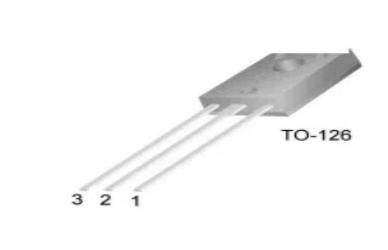
A three-terminal regulator IC is an essential component in electronic circuits that ensures a stable and consistent voltage supply, regardless of fluctuations in the input voltage or load conditions. The term "three-terminal" refers to the three primary connections on the component: input (Vin), output (Vout), and ground (GND).
Read More 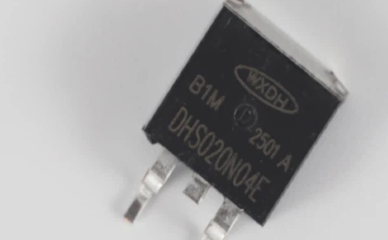
A three-terminal voltage regulator is an essential electronic component used to control and maintain a stable output voltage from a varying input voltage source. The term "three-terminal" refers to the three primary connections on the component: the input (Vin), output (Vout), and ground (GND).
Read More 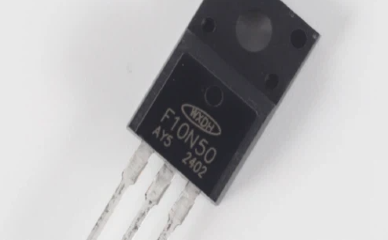
A regulator IC (Integrated Circuit) is a crucial component in modern electronics, designed to maintain a stable and consistent output voltage regardless of variations in the input voltage or fluctuations in the load. Voltage regulation is essential to ensure the proper functioning and longevity of electronic devices, as many components, such as microprocessors, sensors, and operational amplifiers, require a constant voltage to operate correctly.
Read More 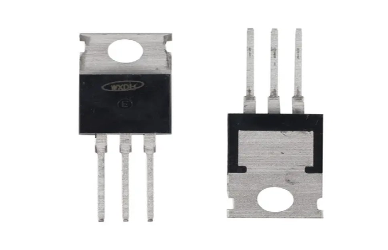
In many electronic circuits, particularly those involving analog components, negative voltage regulation is essential to ensure proper functionality. Certain devices, such as operational amplifiers, analog circuits, and power supplies, require both positive and negative voltages to operate effectively.
Read More 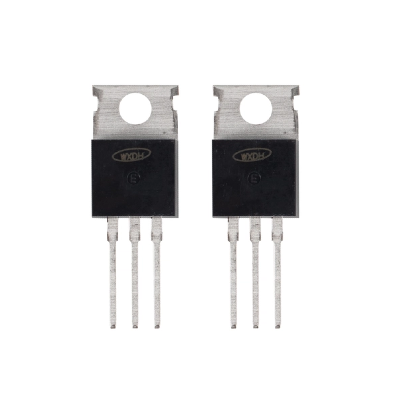
Voltage regulators are essential components in modern circuit design, ensuring that electronic devices receive a stable and reliable voltage supply, regardless of fluctuations in input power or changes in load conditions. They are critical for maintaining the performance, reliability, and longevity of electronic systems.
Read More