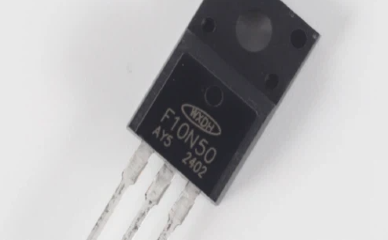
A regulator IC (Integrated Circuit) is a crucial component in modern electronics, designed to maintain a stable and consistent output voltage regardless of variations in the input voltage or fluctuations in the load. Voltage regulation is essential to ensure the proper functioning and longevity of electronic devices, as many components, such as microprocessors, sensors, and operational amplifiers, require a constant voltage to operate correctly. Without a stable voltage supply, electronic circuits can become unreliable, experience malfunction, or even suffer permanent damage. Regulator ICs are used in a wide variety of applications, from power supply systems that provide steady power to consumer electronics and industrial machinery, to battery-powered devices that need to optimize power consumption for longer battery life. Whether through linear regulators, switching regulators, or low dropout regulators (LDOs), these ICs are key to maintaining performance and efficiency in countless electronic applications.
Types of Regulator ICs
There are several types of regulator ICs, each suited to different power and efficiency needs. Here's a brief overview of the main types:
1. Linear Regulators
Linear regulators are simple and ideal for low-power applications. They maintain a constant output voltage by dissipating excess input voltage as heat. These regulators can be either fixed or adjustable, making them versatile for powering microcontrollers, sensors, and small circuits. However, they are less efficient compared to other types, especially when there is a large difference between input and output voltages.
2. Switching Regulators
Switching regulators are more efficient than linear regulators, especially in high-power applications. They use inductors, capacitors, and switches to convert the input voltage to the desired output. These regulators can step up (boost), step down (buck), or invert the voltage, making them suitable for power supplies, battery-powered systems, and LED drivers.
3. Low Dropout (LDO) Regulators
LDOs are a type of linear regulator that operates with a minimal difference between input and output voltage. They are ideal when the input voltage is just slightly higher than the output, offering better efficiency than traditional linear regulators. LDOs are commonly used in battery-powered devices and circuits requiring low noise and high accuracy.
4. Negative Voltage Regulators
Negative voltage regulators provide a stable negative output voltage from a positive input. They are used in dual-supply or split power systems, which require both positive and negative voltages, such as in analog circuits, operational amplifiers, and audio systems. Examples include the LM79 and 7900 series.
Applications of Regulator ICs
Regulator ICs are essential components in a wide range of electronic applications, providing stable voltage regulation for efficient and reliable operation. Below are key areas where regulator ICs are commonly used:
1. Power Supply Systems
Regulator ICs play a crucial role in power supply systems, ensuring stable voltage for devices like computers, consumer electronics, and industrial machinery. These systems require reliable voltage regulation to protect sensitive components and maintain consistent performance, regardless of fluctuations in the input power.
2. Battery-Powered Devices
In battery-powered devices, regulator ICs are used to optimize power consumption and extend battery life. By efficiently regulating voltage, these ICs reduce energy waste and minimize heat dissipation, which is critical in devices like smartphones, laptops, and portable electronics that rely on battery longevity.
3. Signal Processing
Regulator ICs are key in analog circuits and sensors, where stable voltage is essential for accurate readings. Devices such as sensors, signal processors, and measurement instruments require precise voltage regulation to ensure that their outputs are consistent and reliable, avoiding errors due to power fluctuations.
4. Audio and Communication Systems
In audio and communication systems, regulator ICs ensure that the proper voltage levels are maintained for high-fidelity audio equipment and communication devices. Stable voltage is critical for reducing noise, distortion, and ensuring consistent signal quality in amplifiers, transmitters, and receivers.
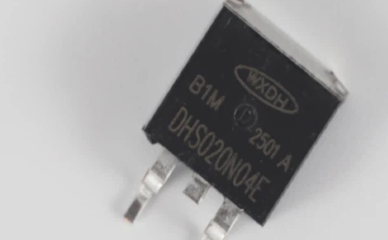
How Do Regulator ICs Work?
Regulator ICs are designed to ensure a stable output voltage, regardless of variations in the input voltage or fluctuations in the load. Here's how they function:
1. Voltage Regulation Mechanism
The primary function of a regulator IC is to maintain a consistent output voltage. To do this, it uses a feedback loop to compare the output voltage with a reference voltage. When the output voltage deviates from the desired value, the regulator adjusts to correct the discrepancy.
Error Amplifiers: The error amplifier compares the actual output voltage with the reference voltage and amplifies any difference (error). This error signal controls the pass transistor, which regulates the current flow to adjust the output voltage accordingly.
Pass Transistors: These transistors allow current to pass from the input to the output and adjust based on the feedback signal, ensuring that the output remains stable.
2. Difference Between Linear and Switching Regulators
Linear Regulators: These regulators adjust the voltage by dissipating excess power as heat. A linear regulator uses a pass transistor to drop the input voltage to the desired output level. While simple and low-noise, linear regulators are less efficient, especially when the input-output voltage difference is large, as they waste power as heat. They are suitable for low-power applications where noise reduction and simplicity are more important than efficiency.
Switching Regulators: Switching regulators, like buck and boost converters, use a different approach. They convert excess voltage into stored energy (typically using inductors and capacitors) and then release it to the output in a controlled manner. This method is much more efficient than linear regulation, especially for higher power applications, as it avoids dissipating energy as heat. Switching regulators are ideal when efficiency is a priority, particularly in battery-powered or high-power devices.
3. Dropout Voltage in LDOs
Low Dropout (LDO) Regulators are a type of linear regulator that can function with a small difference between the input and output voltages, known as dropout voltage.
LDOs are designed to operate effectively even when the input voltage is only slightly higher than the output voltage, making them more efficient than traditional linear regulators in scenarios with minimal voltage difference.
The dropout voltage is the minimum voltage difference required between the input and output for proper regulation. LDOs typically have lower dropout voltages (as low as 0.1V to 1.5V), making them suitable for applications where the input voltage is just above the desired output voltage, such as battery-powered devices or systems with tight voltage constraints.
Choosing the Right Regulator IC
Selecting the right 3-terminal regulator IC is crucial for ensuring optimal performance. Here are key factors to consider:
1. Factors to Consider
Input Voltage: Ensure the input voltage is within the regulator's specified range, with enough margin to cover the dropout voltage (for linear or LDO regulators).
Output Voltage: Choose the regulator with the required output voltage, whether fixed or adjustable.
Current Capacity: Ensure the regulator can supply the necessary current, checking the maximum current rating.
Efficiency: If efficiency is critical, such as in battery-powered devices, consider switching regulators for higher efficiency or LDOs for low-current applications.
2. Choosing Between Linear vs. Switching Regulators
Linear Regulators: Best for low-power, low-noise applications. Simple and cost-effective but less efficient when there's a large input-output voltage difference.
Switching Regulators: More efficient for high-power applications, such as battery-powered devices or power supplies. They are ideal for stepping up/down voltages but are more complex and can generate noise.
3. Thermal Management
Thermal Shutdown: Many regulators include thermal protection to prevent overheating.
Heatsinks & Cooling: For high-power applications, consider using heatsinks or ensuring proper ventilation. Switching regulators generally produce less heat than linear regulators.
Efficiency: More efficient regulators generate less heat. Switching regulators typically offer higher efficiency, reducing thermal issues.
FAQ Section
FAQ 1: Why are regulator ICs necessary in electronic devices?
Answer: Regulator ICs are necessary because they ensure that electronic devices receive a stable voltage, preventing damage from power fluctuations and ensuring reliable performance. They are especially critical in circuits that require precision and stability, such as in analog devices, audio systems, and power supplies.
FAQ 2: What is the difference between a linear regulator and a switching regulator?
Answer: Linear regulators provide a steady output by dissipating excess voltage as heat, making them simpler but less efficient. Switching regulators use inductors and capacitors to convert voltage efficiently, making them suitable for high-power applications, but they tend to be more complex.
FAQ 3: Can regulator ICs handle high current applications?
Answer: Yes, some regulator ICs are designed to handle high current loads, especially switching regulators, which are more efficient for such applications. However, for high current, thermal management and choosing an appropriately rated regulator are essential to avoid overheating and ensure reliable performance.
FAQ 4: What is the impact of choosing the wrong regulator IC for an application?
Answer: Choosing the wrong regulator IC can lead to insufficient voltage, instability, inefficient power consumption, excessive heat dissipation, and potential damage to components. It's essential to match the regulator's specifications with the system's requirements to ensure safe and reliable operation.
Conclusion
Regulator ICs play a vital role in maintaining stable and reliable voltage in electronic systems, ensuring that devices operate efficiently and reliably. Whether for low-power applications with linear regulators, high-power systems requiring switching regulators, or situations needing minimal voltage difference with LDOs, choosing the right regulator is essential. Selecting the appropriate type of regulator based on factors like voltage, current capacity, efficiency, and thermal management is crucial for optimizing performance and minimizing energy loss. By carefully considering these aspects, you can ensure that your electronic system functions at its best, with consistent voltage regulation and long-term reliability.