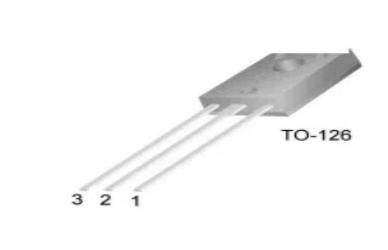
A three-terminal regulator IC is an essential component in electronic circuits that ensures a stable and consistent voltage supply, regardless of fluctuations in the input voltage or load conditions. The term "three-terminal" refers to the three primary connections on the component: input (Vin), output (Vout), and ground (GND). The input terminal is connected to a voltage source, while the output terminal delivers the regulated voltage to the load, and the ground terminal completes the circuit. These regulators play a critical role in maintaining the proper function of electronic systems by providing a steady voltage, which is vital for the operation of sensitive components like microcontrollers, sensors, and analog circuits. Without proper voltage regulation, electronic devices can experience instability, malfunction, or even permanent damage. Therefore, three-terminal regulator ICs are crucial for ensuring the reliability and performance of electronic systems, especially in applications like power supplies, battery-powered devices, and communication systems.
Key Factors to Consider When Choosing a Three-Terminal Regulator IC
Selecting the right three-terminal regulator IC is crucial for ensuring reliable and efficient performance in electronic systems. To make the best choice, you need to evaluate several important factors that will affect the regulator's suitability for your application. Here are the key considerations:
1. Input Voltage Range
Understanding the required input voltage is essential when choosing a regulator. The regulator must be able to handle the variations in the supply voltage to ensure stable and consistent output. It’s important to select a regulator that supports the expected range of input voltages, including any fluctuations that may occur. For linear regulators, the input voltage should be sufficiently higher than the output voltage to maintain proper regulation. For switching regulators, the input voltage range is typically broader, allowing greater flexibility in handling different power sources.
2. Output Voltage
Another critical decision is whether you need a fixed or adjustable output voltage.
Fixed-output regulators provide a predefined, stable voltage (e.g., 5V, 12V) and are ideal for applications where the voltage needs are constant and predictable, such as powering microcontrollers or logic circuits.
Adjustable regulators offer flexibility, allowing you to set the output voltage to a range of values, making them suitable for applications that require different voltage levels for various components. This is particularly useful in prototyping or systems with varied voltage requirements across different parts.
3. Current Capacity
It’s essential to choose a regulator with an adequate current capacity for your application. The maximum current rating of the regulator should meet or exceed the current demands of your load. If the current rating is too low, the regulator may overheat, become unstable, or fail, potentially damaging both the regulator and other components. Ensure that the regulator is capable of supplying the required current without stress, especially in high-current applications such as power supplies for motors, amplifiers, or large devices.
4. Efficiency
Efficiency is particularly important in systems where power conservation is critical, such as battery-powered devices or high-power systems.
Linear regulators are simpler to design and offer low noise, but they are less efficient. They dissipate the excess input voltage as heat, which can be wasteful when there’s a significant difference between the input and output voltages.
Switching regulators are more efficient, as they convert excess voltage into stored energy and release it in a controlled manner, making them ideal for applications where efficiency is a top priority. They are especially useful in high-power applications, such as power supplies for computers, telecommunications equipment, and LED drivers, where power loss needs to be minimized.
5. Dropout Voltage
Dropout voltage is the minimum difference between the input and output voltages required for the regulator to maintain stable regulation. This is particularly significant for Low Dropout (LDO) regulators, which are designed to function with minimal voltage difference between the input and output.
LDO regulators are ideal for systems where the input voltage is only slightly higher than the desired output voltage, such as battery-powered devices or circuits with low voltage differences.
Selecting a regulator with the right dropout voltage is essential for ensuring that the regulator will work efficiently and reliably, especially when the available input voltage is close to the required output voltage.
By carefully considering the input voltage range, output voltage, current capacity, efficiency, and dropout voltage, you can choose the appropriate three-terminal regulator IC for your system’s needs. This ensures stable operation, efficiency, and longevity of your electronic devices.
Types of Three-Terminal Regulator ICs
Three-terminal voltage regulators come in different types, each designed to suit specific power requirements, efficiency needs, and applications. Below are the key types of three-terminal regulator ICs:
1. Linear Regulators
Linear regulators are simple, low-noise devices designed to provide a stable output voltage by dissipating excess input voltage as heat. These regulators are ideal for low-power applications, such as microcontrollers, sensors, and analog circuits, where a clean and stable voltage is required without the need for complex circuitry. However, linear regulators are less efficient, especially when there is a significant difference between the input and output voltages, as they convert the excess energy into heat rather than storing it. They are best suited for situations where low noise and simplicity are prioritized over power efficiency.
2. Low Dropout (LDO) Regulators
Low Dropout (LDO) regulators are a subset of linear regulators designed to operate efficiently with minimal difference between the input and output voltage, known as the dropout voltage. LDOs are especially useful when the input voltage is only slightly higher than the desired output voltage, as they can maintain stable output with a small voltage margin, typically between 0.1V to 1.5V. These regulators are ideal for battery-powered devices, low-voltage systems, and applications with tight voltage requirements, where conserving energy and minimizing power loss are important.
3. Switching Regulators
Switching regulators are high-efficiency regulators that convert excess voltage into stored energy using inductors and capacitors, then release it in a controlled manner. They are more efficient than linear regulators, especially when there is a significant difference between input and output voltages. Switching regulators can step down (buck), step up (boost), or invert the input voltage, making them versatile for a wide range of applications, from power supplies and LED drivers to battery chargers and high-power systems. These regulators are ideal when efficiency is critical, as they minimize heat dissipation and improve overall energy usage.
4. Negative Voltage Regulators
Negative voltage regulators are used to generate a stable negative output voltage from a positive input voltage. They are commonly used in dual-supply systems or applications that require both positive and negative voltages, such as operational amplifier circuits, analog systems, and audio equipment. Examples of negative voltage regulators include the LM79 and 7900 series, which are designed to provide stable negative voltages like -5V, -12V, and -15V, respectively. These regulators are crucial for systems that need negative rails to operate correctly and maintain balanced power supply.
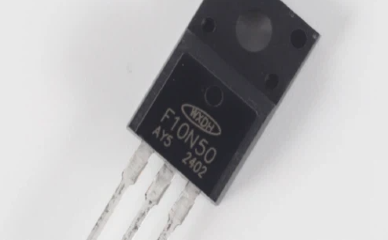
Thermal Management and Heat Dissipation in Three-Terminal Regulator ICs
Effective thermal management is crucial for three-terminal regulator ICs, particularly in high-power applications. Proper heat dissipation ensures reliable performance and prevents damage to the regulator and surrounding components.
1. Heat Generation
Linear Regulators: Less efficient and dissipate excess voltage as heat. The larger the voltage difference between input and output, the more heat generated, especially under high current conditions.
Switching Regulators: More efficient, but still produce heat due to the switching process and component losses. They generate less heat than linear regulators but still require attention in high-power applications.
2. Thermal Protection
Thermal Shutdown: Many regulators include thermal shutdown features, which turn off the regulator if it overheats, protecting the system.
Thermal Foldback: Some regulators reduce output current when temperatures rise to prevent overheating, providing additional protection.
3. Heatsinks and Ventilation
Heatsinks: Adding a heatsink improves heat dissipation, especially for linear regulators and high-current applications.
Ventilation: Proper ventilation helps remove heat by allowing airflow around the regulator. Using regulators in well-ventilated areas or with active cooling systems can prevent overheating.
FAQ Section
FAQ 1: How do I know if I need a linear or switching regulator?
Answer: Choose a linear regulator for low-power applications where simplicity and low noise are priorities. For high-power applications, switching regulators are more efficient, especially when large voltage conversions are needed.
FAQ 2: What is the significance of dropout voltage in a regulator IC?
Answer: Dropout voltage is the minimum difference between the input and output voltages for stable regulation. For low input-output voltage differences, LDO regulators are ideal since they can operate with smaller dropout voltages.
FAQ 3: Can I use a 3-terminal regulator IC in both positive and negative voltage applications?
Answer: Yes, positive voltage regulators provide stable positive voltages, while negative voltage regulators provide stable negative voltages, making them suitable for dual-supply systems and various analog applications.
FAQ 4: How do I ensure proper heat management when using a 3-terminal regulator IC?
Answer: For high-power applications, select regulators with thermal shutdown features and consider using heatsinks or ensuring adequate ventilation to prevent overheating, particularly with linear regulators, which are less efficient and generate more heat.
Conclusion
In conclusion, selecting the right three-terminal regulator IC is essential for ensuring the stability and efficiency of electronic systems. Key factors to consider include the input voltage range, output voltage (fixed or adjustable), current capacity, efficiency (linear vs. switching regulators), and dropout voltage. Additionally, thermal management plays a crucial role, especially in high-power applications, to prevent overheating and ensure reliable operation. By carefully evaluating these factors and aligning them with specific application needs and efficiency goals, you can choose the most suitable regulator for your system. Making the right choice will ensure optimal performance, longevity, and energy efficiency for your electronic designs.