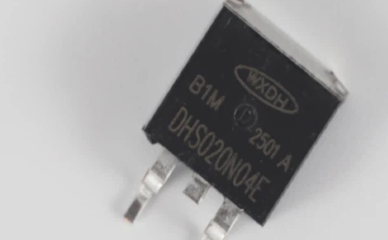
A three-terminal voltage regulator is an essential electronic component used to control and maintain a stable output voltage from a varying input voltage source. The term "three-terminal" refers to the three primary connections on the component: the input (Vin), output (Vout), and ground (GND). These regulators are crucial in ensuring that sensitive electronic devices receive a consistent voltage, preventing damage caused by voltage fluctuations or irregularities. In electronic systems, where precise voltage is required for proper operation—such as in microcontrollers, sensors, and analog circuits—three-terminal regulators ensure the voltage remains stable despite changes in load or input power. These components are fundamental in power supply systems, battery-powered devices, signal processing, and many other applications, helping to ensure efficiency, performance, and reliability.
Types of Three-Terminal Components Used to Control Voltage
Three-terminal components that control voltage come in several types, each designed to meet specific power requirements and efficiency needs. Here are the main types:
1. Linear Voltage Regulators
Linear voltage regulators are simple and commonly used for low-power applications. They work by dissipating excess voltage as heat to maintain a stable output voltage. This makes them easy to implement and ideal for low-noise applications, where precise voltage control is essential, such as powering microcontrollers, sensors, and analog circuits. However, they are less efficient, especially when there is a large difference between the input and output voltages.
2. Low Dropout (LDO) Regulators
Low Dropout (LDO) regulators are a subset of linear regulators designed to operate with a small difference between the input and output voltage, known as the dropout voltage. This makes them more efficient than traditional linear regulators when the input voltage is only slightly higher than the output voltage. LDOs are ideal for battery-powered devices or low-voltage systems, where maximizing energy efficiency is important while still maintaining stable voltage.
3. Switching Regulators
Switching regulators are much more efficient than linear regulators, especially for high-power applications. Instead of dissipating excess voltage as heat, they convert excess voltage into stored energy using inductors and capacitors, which is then released in a controlled manner. Switching regulators can either step up (boost), step down (buck), or invert the voltage, making them versatile for a wide range of applications, including power supplies, motor drives, and battery chargers.
4. Negative Voltage Regulators
Negative voltage regulators provide a stable negative output voltage from a positive input voltage. They are commonly used in dual-supply or split-power systems, where both positive and negative voltages are needed to power different components. These regulators are crucial in analog circuits, audio systems, and operational amplifier circuits, ensuring proper voltage regulation for applications that require a negative power supply. Examples include the LM79 and 7900 series of negative voltage regulators.
How Three-Terminal Voltage Regulators Work
Three-terminal voltage regulators are designed to maintain a stable output voltage, ensuring that electronic components receive the required voltage regardless of fluctuations in input power or varying load conditions. Below is an explanation of how they operate:
1. Explanation of How Three-Terminal Regulators Work
Three-terminal voltage regulators use an internal feedback loop to continuously monitor and adjust the output voltage. Here's how the process works:
Feedback Loop: The regulator constantly compares the output voltage to a reference voltage. If the output voltage deviates from the desired value, the feedback mechanism triggers an adjustment.
Error Amplifier: The error amplifier amplifies the difference (or error) between the actual output voltage and the reference voltage. This amplified error signal is then used to adjust the pass transistor.
Pass Transistor: The pass transistor controls the flow of current between the input and the output. Based on the feedback signal from the error amplifier, the transistor adjusts the current flow to either increase or decrease the output voltage, ensuring that it remains stable.
2. Linear vs. Switching Regulators
Linear Regulators: Linear regulators maintain a stable output by dissipating excess voltage as heat. The regulator adjusts the pass transistor to reduce the input voltage to the desired output level. While this method is simple and low-noise, it is inefficient for large input-output voltage differences because the excess energy is converted into heat. This results in lower efficiency, especially in high-power applications, as more energy is wasted.
Switching Regulators: Switching regulators, on the other hand, operate by storing energy in inductors and capacitors and then releasing it in a controlled manner. This method avoids significant heat generation and can achieve efficiencies of 80% or higher. Switching regulators can step up, step down, or invert the input voltage, making them ideal for high-power applications where efficiency is a priority.
3. Dropout Voltage
Dropout voltage refers to the minimum voltage difference required between the input and output for a regulator to maintain proper regulation. For linear regulators, this is the voltage difference below which the regulator can no longer maintain the desired output voltage.
In Linear Regulators: The dropout voltage is the minimum difference between the input and output voltages. If the input voltage falls too close to the output voltage, the regulator will not be able to maintain a stable output, causing it to "drop out" of regulation.
In LDO (Low Dropout) Regulators: LDO regulators are designed to work with minimal dropout voltage (often less than 1V), which allows them to be more efficient when the input voltage is only slightly higher than the output voltage. This is particularly useful in battery-powered applications or low-voltage systems, where the input voltage must be as close to the output as possible to maximize energy efficiency.
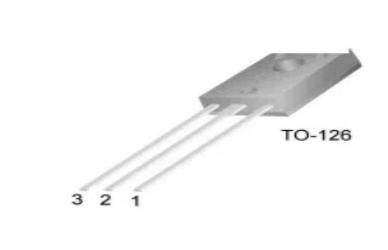
Applications of Three-Terminal Voltage Regulators
Three-terminal voltage regulators are essential for ensuring stable operation across various electronic systems. Here are some key applications:
1. Power Supply Systems
In power supply systems, three-terminal voltage regulators provide stable voltage for devices like computers, consumer electronics, and industrial machinery. They protect sensitive components from power fluctuations, maintaining reliable performance.
2. Battery-Powered Devices
In battery-powered devices, regulators optimize power use and extend battery life by ensuring stable voltage output. Commonly used in smartphones, laptops, and portable electronics, they improve efficiency and help conserve energy.
3. Signal Processing and Audio Systems
Three-terminal voltage regulators are crucial in signal processing and audio systems, where stable voltage is needed for analog circuits, operational amplifiers, and audio equipment. They ensure low noise and high-quality audio performance.
4. Automotive Electronics
In automotive electronics, regulators ensure voltage stability for systems like sensors, ECUs, and communication devices. They help maintain the proper functioning of automotive systems, even with fluctuations in the vehicle’s power supply.
Choosing the Right Three-Terminal Regulator
Selecting the right three-terminal voltage regulator ensures optimal performance and efficiency. Here are key factors to consider:
1. Factors to Consider
Input Voltage: Ensure the input is within the regulator’s range, with enough margin for dropout voltage (for linear regulators).
Output Voltage: Choose a regulator that provides the required output, either fixed or adjustable.
Current Capacity: Check the regulator’s current rating to meet the load’s requirements.
Efficiency Needs: For battery-powered or high-power systems, prioritize switching regulators for higher efficiency.
2. Linear vs. Switching Regulators
Linear Regulators: Ideal for low-power, low-noise applications, offering simplicity but lower efficiency, especially when there’s a large input-output voltage difference.
Switching Regulators: More efficient for high-power applications, converting excess voltage into stored energy, suitable for high-current or battery-operated devices. They are more complex but offer significant power savings.
3. Thermal Management
Heat Dissipation: Linear regulators generate more heat, especially with large voltage differences. Switching regulators are more efficient and produce less heat.
Thermal Shutdown: Many regulators have thermal protection. For high-power applications, consider heatsinks or proper ventilation to manage heat.
FAQ Section
FAQ 1: How do three-terminal voltage regulators prevent voltage fluctuations?
Answer: Three-terminal voltage regulators use a feedback loop to continuously monitor and adjust the output voltage, ensuring it remains stable despite input voltage changes or varying load conditions.
FAQ 2: Can a three-terminal regulator be used for both positive and negative voltage regulation?
Answer: Yes, three-terminal regulators come in both positive and negative voltage versions. Positive regulators output stable positive voltages, while negative regulators provide negative voltage from a positive input, useful in dual-supply systems.
FAQ 3: What are the efficiency limitations of linear regulators compared to switching regulators?
Answer: Linear regulators are less efficient because they convert excess voltage into heat, especially when there is a large input-output voltage difference. Switching regulators, on the other hand, are much more efficient as they store and release energy without significant heat loss, making them ideal for high-power applications.
FAQ 4: What is the impact of dropout voltage in LDO regulators?
Answer: Dropout voltage is the minimum difference required between the input and output voltages for proper regulation. LDO regulators are designed to work with minimal dropout voltage, allowing them to function efficiently in low-voltage scenarios, but too low an input voltage may prevent proper regulation.
Conclusion
Choosing the right three-terminal voltage regulator is essential for ensuring that electronic systems operate efficiently and reliably. By considering factors such as input/output voltages, current capacity, efficiency, and thermal management, you can select the most suitable regulator for your application. Linear regulators are ideal for low-power, low-noise systems, while switching regulators offer superior efficiency for high-power applications. Proper thermal management, especially for high-current applications, is also crucial to maintain the regulator’s performance and longevity. By understanding these key factors, you can ensure that your system has the right voltage regulation for optimal performance and energy efficiency.