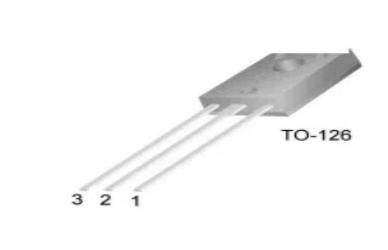
Voltage regulation is a fundamental aspect of electronic circuit design, ensuring that components receive a stable and consistent voltage regardless of fluctuations in the input power supply. Without proper voltage regulation, circuits can experience instability, reduced efficiency, or even permanent damage to sensitive components. Selecting the right Voltage Regulator IC is therefore crucial, as it directly impacts the performance, reliability, and longevity of electronic devices.
This article aims to provide a practical guide for choosing the most suitable Voltage Regulator IC based on specific circuit requirements. By understanding the different types of regulators, key parameters, and application considerations, engineers and hobbyists alike can make informed decisions to achieve optimal circuit stability and efficiency.
Understanding Voltage Regulator IC Types
Voltage Regulator ICs ensure stable voltage for electronic circuits. Choosing the right type is essential for efficient and reliable operation.
1.Linear Voltage Regulators (LDOs)
LDOs provide a simple, low-noise solution for voltage regulation, ideal for low-current applications like analog circuits or sensitive sensors. They are easy to implement, require few external components, and deliver clean output voltage, making them suitable for precision electronics.
2.Switching Voltage Regulators (Buck, Boost, Buck-Boost)
Switching regulators use rapid voltage switching and energy storage (inductors, capacitors) to maintain stable output:
Buck: steps down voltage efficiently.
Boost: steps up voltage.
Buck-Boost: can step up or down, offering flexibility.
They are efficient for high-current or battery-powered circuits but are more complex and may introduce switching noise.
3.Linear vs. Switching Regulators
Efficiency: LDOs dissipate excess voltage as heat; switching regulators are more efficient.
Heat: LDOs may need heat sinks; switching regulators generate less heat.
Complexity: LDOs are simple; switching regulators require careful design.
Understanding these types helps designers select the right IC based on current, efficiency, noise, and circuit complexity.
Key Parameters to Consider When Choosing a Voltage Regulator IC
Selecting the right Voltage Regulator IC requires careful attention to several critical parameters to ensure stable operation and optimal performance in your circuit:
1.Output Voltage
Fixed vs. Adjustable: Fixed-voltage regulators provide a constant output voltage, ideal for standard supply needs. Adjustable regulators allow fine-tuning of the output voltage, offering flexibility in custom applications.
Tolerance and Precision: Consider the acceptable voltage variation for your circuit. Precision regulators are necessary for sensitive analog or digital circuits that require tight voltage control.
2.Maximum Output Current
Ensure that the chosen IC can supply sufficient current for all connected loads without overheating or triggering current limits. Exceeding the maximum output current can damage the IC and other components.
Consider peak vs. continuous current ratings, especially for applications with variable or pulsed loads.
3.Dropout Voltage (for LDOs)
Dropout voltage is the minimum voltage difference between input and output for proper regulation. Low-dropout (LDO) regulators are critical when the input voltage is only slightly higher than the desired output, such as in battery-powered applications.
Choosing an LDO with an appropriate dropout voltage ensures stable output even as input voltage drops under load.
4.Efficiency
High efficiency minimizes power loss and reduces heat generation, which is particularly important in portable, battery-powered, or high-current applications.
Switching regulators typically offer higher efficiency than linear regulators, making them suitable for energy-conscious designs, while LDOs provide simpler, low-noise regulation at the cost of efficiency.
By carefully evaluating these parameters—output voltage, maximum current, dropout voltage, and efficiency—designers can select a Voltage Regulator IC that meets both functional and operational requirements of their circuits.
Protection Features of Voltage Regulator ICs
Understanding built-in protection features is essential for circuit safety and reliability. Key protections include:
1.Overcurrent Protection (OCP)
Prevents excessive current from short circuits or load surges, limiting current to safe levels to protect the regulator and downstream components.
2.Overvoltage Protection (OVP) and Undervoltage Lockout (UVLO)
OVP: Guards against input voltage spikes that could damage components.
UVLO: Prevents operation when input voltage is too low, avoiding unstable performance.
3.Thermal Shutdown and Safe Operating Area (SOA)
Thermal Shutdown: Turns off the IC if temperature exceeds safe limits.
SOA: Ensures operation within safe voltage, current, and temperature ranges to avoid failure.
Importance for Circuit Reliability
These protections enhance longevity, reduce failure risks, and improve overall safety, especially in sensitive or high-power circuits. Choosing ICs with robust protection ensures reliable and safe operation across various applications.
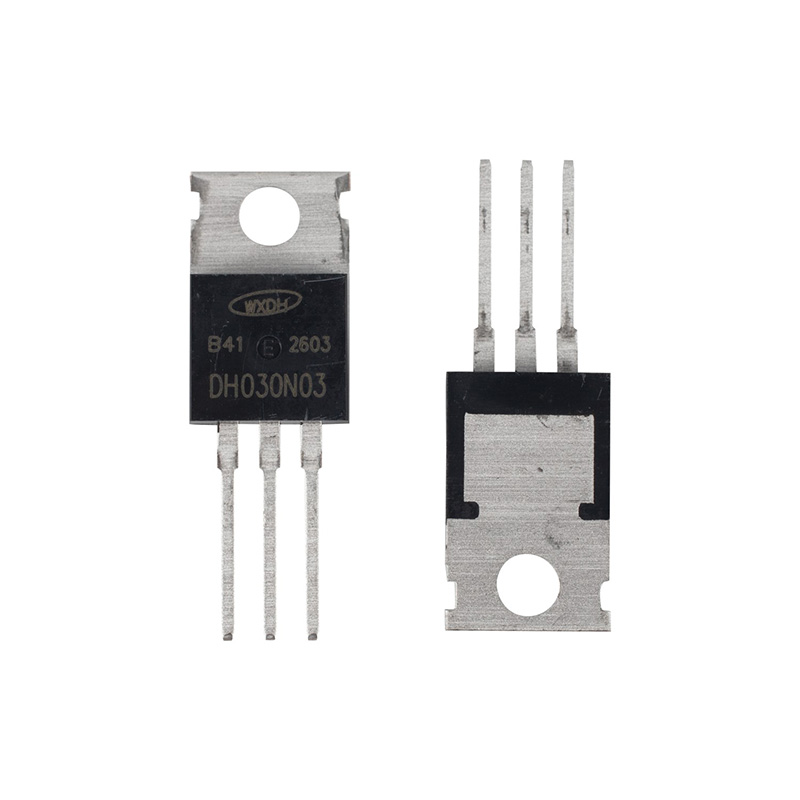
Package and Thermal Considerations for Voltage Regulator ICs
When selecting a Voltage Regulator IC, package type and thermal management play a crucial role in ensuring reliable performance and longevity. Key considerations include:
1.IC Packages: SMD vs. Through-Hole
Surface-Mount Devices (SMD): Compact, suitable for automated PCB assembly, and allow higher component density.
Through-Hole Packages: Easier for prototyping and mechanical stability, often used in high-power or rugged applications.
Package choice affects PCB layout, mounting options, and overall circuit design flexibility.
2.Thermal Resistance and Heat Dissipation
Each IC package has a thermal resistance rating (junction-to-ambient), which determines how efficiently it can dissipate heat.
Understanding thermal resistance helps prevent overheating, which can degrade performance or damage the regulator.
3.Heat Sinks and Thermal Vias
High-power applications may require additional thermal management measures, such as heat sinks or PCB thermal vias, to enhance heat dissipation.
Proper thermal design ensures stable operation, maintains efficiency, and prolongs the IC’s lifespan.
4.Importance for Circuit Reliability
Considering both package type and thermal management is essential for preventing thermal runaway, voltage instability, and premature component failure.
A well-managed thermal design allows the voltage regulator to maintain consistent output under varying load and environmental conditions.
By carefully evaluating package type and implementing effective thermal strategies, engineers can ensure optimal performance and reliability of Voltage Regulator ICs in their circuits.
Environmental and Application Factors for Voltage Regulator ICs
Selecting the right Voltage Regulator IC requires careful consideration of the environmental and application-specific conditions in which it will operate. Key factors include:
1.Operating Temperature Range
Voltage regulator ICs must function reliably across the intended ambient temperature range.
Industrial or automotive applications often demand extended temperature ratings, while consumer electronics may have narrower ranges.
Ensuring the IC can operate safely at both high and low temperatures prevents thermal stress, voltage drift, and potential failure.
2.Sensitivity to Input Voltage Fluctuations and Noise
Regulators must tolerate variations in input voltage without compromising output stability.
Low-dropout (LDO) regulators or switching ICs with high line regulation are preferred for sensitive applications.
Noise sensitivity is critical in audio, RF, or precision analog circuits where voltage ripple can degrade performance.
3.Application-Specific Considerations
Battery-Powered Devices: Emphasis on low quiescent current, high efficiency, and minimal voltage drop to extend battery life.
Automotive Electronics: Must withstand transients, load dumps, and harsh environmental conditions.
Industrial Systems: Require high reliability, tolerance to EMI/RFI, and ability to handle heavy loads continuously.
4.Impact on IC Selection
Understanding these environmental and application factors helps engineers choose regulators that maintain stable performance, protect sensitive components, and ensure long-term reliability.
By evaluating operating conditions, input stability, and specific application requirements, designers can select a Voltage Regulator IC that meets both performance and durability needs.
Manufacturer Specifications and Reliability for Voltage Regulator ICs
Selecting the right Voltage Regulator IC requires careful attention to manufacturer specifications and overall reliability. Key points include:
1.Reading Datasheets Effectively
Pay close attention to critical parameters such as output voltage accuracy, maximum output current, dropout voltage, efficiency, thermal resistance, and protection features.
Review characteristic graphs (line/load regulation, efficiency vs. load, thermal derating) to understand real-world performance.
Ensure the IC meets your circuit’s voltage, current, and thermal requirements under all operating conditions.
2.Choosing Reputable Brands and Certified ICs
Selecting ICs from trusted manufacturers ensures consistency, quality, and compliance with international standards (e.g., ISO, JEDEC).
Certified ICs provide additional confidence for critical applications in automotive, industrial, or medical electronics.
Avoid unknown or low-quality sources that may lead to performance degradation, early failure, or safety risks.
3.Lifecycle, Availability, and Long-Term Support
Consider the product lifecycle and long-term availability, especially for industrial or embedded systems requiring consistent part sourcing.
Check for manufacturer support, application notes, and reference designs to simplify integration and troubleshooting.
Planning for replacements, obsolescence, and firmware/software updates ensures reliability across the lifespan of your project.
By thoroughly evaluating datasheets, selecting reputable manufacturers, and considering long-term availability, designers can ensure Voltage Regulator ICs deliver reliable performance for both short-term prototypes and long-term production systems.
Conclusion
Selecting the appropriate Voltage Regulator IC is essential for achieving stable and efficient circuit performance. A well-chosen IC ensures proper voltage regulation, minimizes power loss, protects components, and supports long-term reliability.
Designers must balance several factors, including regulator type (linear vs. switching), key electrical parameters (output voltage, current rating, dropout voltage, and efficiency), protection features (overcurrent, overvoltage, and thermal shutdown), and specific application requirements (battery-powered devices, automotive, or industrial systems).
Careful review of datasheets, understanding manufacturer specifications, and evaluating real-world circuit conditions are critical steps to ensure that the selected IC meets performance and reliability goals. By following these guidelines, engineers and designers can confidently implement Voltage Regulator ICs that enhance the overall safety, efficiency, and longevity of their electronic systems.